Integrating Notes – April/May 2025
- Aug
- 15
My monthly newsletter seeks to connect you to sources of wisdom and inspiration in order to help you live a more integrated – joyful, purposeful, capable, and connected – life.
Dear Boston Brain Integration Community,
As I settle into the midpoint of spring, I find myself noticing the beauty of crabapple blossoms while imagining the bright green leaves to come. In this newsletter, we have considered what it means to be integrated, and how we deal with the ways “the body keeps the score.” We’ve looked at high conflict vs. good conflict and thought about the power of gratitude as we work to recover from trauma. Joy and delight have been sources of solace when things are hard, and we’ve discussed the power of humility and the lies of anxiety.
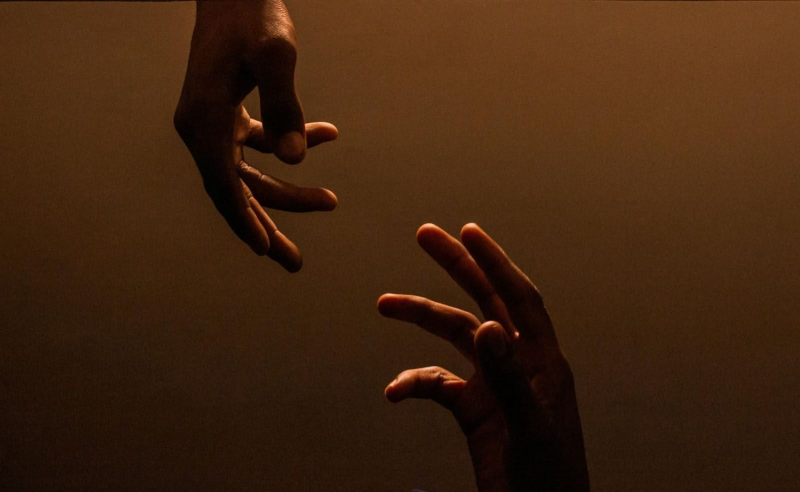
In my office, I am often struck by how intergenerational healing is. Issues in the present often speak to pain points that have been in our families for generations. Just as the earth moves through the seasons, so too do our own stories cycle from similar experience to eerily similar experience. This process is often referred to as traumatic reenactment, the unconscious repetition of past experiences in order to create a different outcome.
It is hard for all of us to acknowledge that there are forces that shape our behavior that are beyond our control. And yet, here in New England, we enjoy the warmth of the sun only when physics allows it. We are not in control of so much that impacts our lives. Last month, Martha Beck offered us some practices for how we might learn to stay true to ourselves no matter how the earth is turning in her book, Finding Your Own North Star. I have found these practices really helpful, and I will be sharing more of them with you throughout this year.
Brain Integration is a practice of returning to ourselves again and again, as a gardener might return to the soil in spring. In this season, we seek to discover, what is here inside of us? What has decomposed and fertilized new growth? What remains in need of breaking down? The award-winning author and storyteller, Kaitlin Curtice, enrolled citizen of the Potawatomi Nation, helps us ask brave questions about the indigenous wisdom of seven generations past and seven generations forward into the future. May we learn to listen.

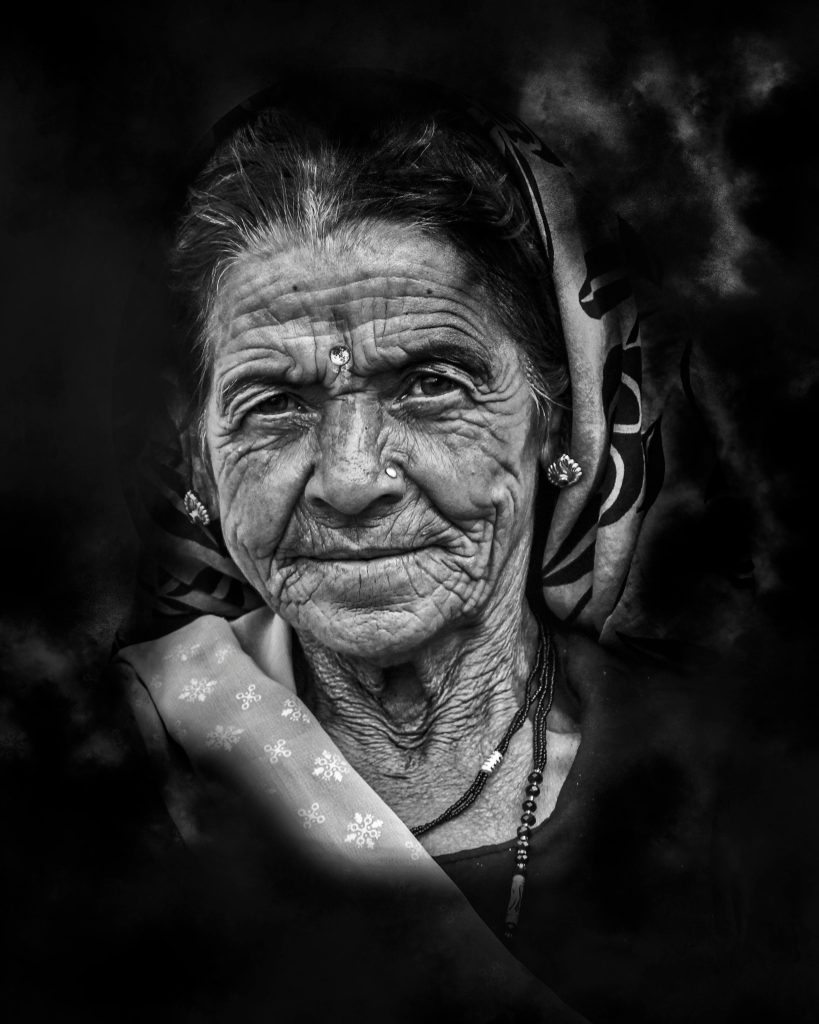
From the podcast We Can Do Hard Things: 5 Ways to Be More Present: Indigenous Wisdom from Kaitlin Curtice by Glennon Doyle, Abby Wambach, and Amanda Doyle
Kaitlin Curtice: We were out on a hike on Muskogee and Cherokee land… I didn’t do a lot outside. I would’ve rather watched a movie… My partner, Travis, has always been adventurous in that way, and it taught me a lot in coming home to myself… We went to this spot that he had found to go hiking. My youngest, I was still breastfeeding. There was this moment where I had to stop and feed him. There’s nowhere to sit down. I turn him sideways and I’m just still walking and…in that moment, the lens of my life sort of zoomed out. In our tribe, in the Potawatomi tribe, we had a group of people in Indiana who had a forced removal. I’m sure many people listening have heard of the Trail of Tears. We had something called the Trail of Death. It was in 1838 and it was a forced removal at gunpoint of a group of Potawatomi people who were forced to walk from Indiana to Kansas.
In that moment I could feel the mothers and the women and the grandmas who were walking with their babies, I could feel them in my own feet. I could feel their steps in mine and the trauma and the beauty and the glory of it, and the pain just completely just fell onto me. It was also this moment of asking, who are you and what are you going to do about it?
Amanda Doyle: It seems to me that embodiment is going back and remembering. I think why Indigenous culture as you describe it, Kaitlin, is so powerful because it’s all about remembering. Nothing is just this point in time. Nothing is a point on a timeline. It’s this cyclical time. When you are healing now, you’re healing seven generations past. When you are healing now, you’re healing seven generations forward.
Kaitlin Curtice: I think of my life, this living space I live in, that I exist in, between those who came before and those who will come after… We can’t escape it. It’s who we are. And not in just a linear way, but these cycles, the cycles of who our ancestors were, the cycle of our life now, the cycle of seven generations after us who will exist and who will have to reckon with what we’ve done and left undone. Whoever our ancestors were, whatever they did or didn’t do, we don’t know the ones that come after us, we don’t know what they’re going to look like or who they’re going to be in this world or what the state of the world will be, but there’s healing. Our healing is directly connected to those who came before and those who will come after.
Let’s just notice…
- Have you ever felt you were walking a path first traversed by your ancestors?
- How do you feel about the cycles present in your own life, the patterns of behavior that repeat?
- How do you feel about the cycles present in your own life, the patterns of behavior that repeat?

Meditation During the Sufferings and Deaths of Others
By Sharon Olds
I did not deserve to be beaten,
and I did not deserve ballet lessons—
except insofar as everyone deserves ballet lessons.
Me mum thought I was well worth beating.
She would not have thought that I deserved to starve.
I deserved the milk in her breasts—I had put it there.
When I was a baby, she withheld food to clock-train me.
She did not notice she was privileged
always to have enough food to feed her children.
And there were books in the house, I did not deserve them
except insofar as everyone deserves them.
I did not notice it was luck that I had them,
that for every book I had, someone else did not have one.
But it was not just luck that my mother beat me.
I was the second daughter of the second daughter of the second daughter,
the one on whom the mothers in that line
exercised their so-far sonlessness.
I did not have a second daughter,
or she was the tiny thing lost to that long-ago flu.
I did not inherit the taste for beating children
or the belief it was the only way to make them behave.
But how did I know that every soul was equal? They kept saying so.
And you could see it, around some people’s body,
the space around it, the light in the space,
a kind of envelope, or surface tension,
as if they were whole. Those were the popular kids, the kind ones.
I did not deserve their friendship,
but sometimes I got it—because I made them laugh.
I think I was born funny—born seeing funny.
There was what they said, and what they meant, and what they did.
There was a disjunct—and it hit my funny bone,
and then like a xylophone player I hit their funny bone
and we flushed and heated and gave out the sweet percussion of our squeaky barking.
l had the luck to earn their laughter.
But so much lies outside deserving.
l do not deserve this house.
But I do not deserve someone
breaking in and killing me.
I chose ballet lessons because I loved dancing, and the feeling, like begging to be liked—a kind of sneaky labor.
Going to Miss Pring’s garage was like walking into a church hymn and being its turning.
What does deserve even mean? It means dessert
when you have eaten every bite on your plate.
The concept of dessert presupposes a ruler—
second daughter of a second, or not.
And when you become your own ruler?
When you rise through the dead leaves, the pieces of torn web, the trails of slugs, when you become a guttersnipe and lift your head and look around,
you can see the chaos,
you can choose to work toward some small justice.
I look at my life, Chaim, and I see us,
that taste we had for each other, and the peace
of telling each other the truth.
And we earned the peace
in the hard crib of the hospice bed, I would
climb up into it and cram myself next to you, we would murmur and sleep.
I like how we looked, cotyledon
fit into itself in the steel cradle like a
capsule sent out into space, to start over.
Let’s just notice…
- What are the ways in which you started over when you became “your own ruler”?